Numbers as Mnemonic
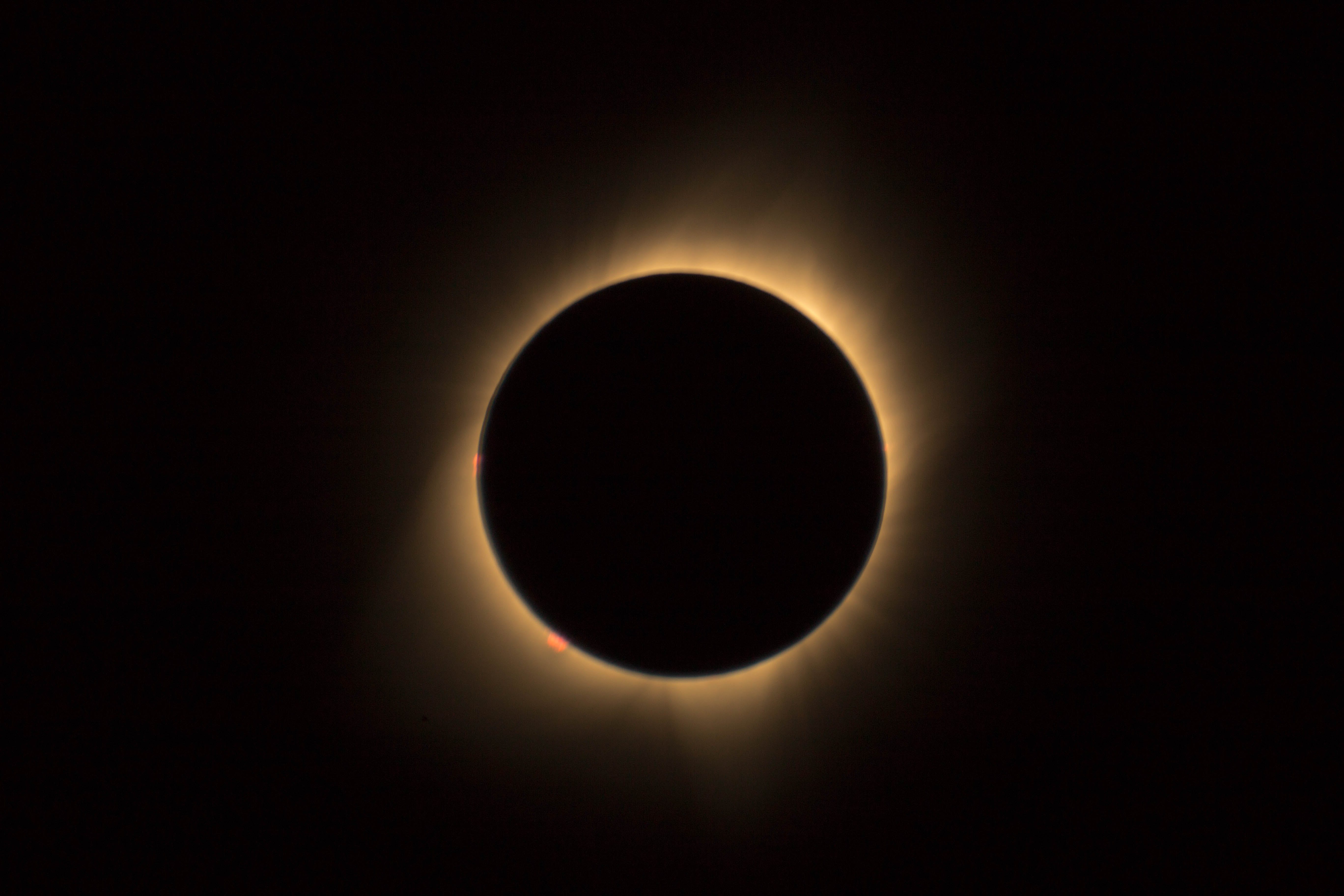
The "Community Herbal Intensive Level 2: Getting Rooted" follows the seasons and starts with November because that is when many indigenous peoples would have celebrated the start of a new year. We now call this holiday Halloween, All Soul’s Day, and Day of the Dead. This is the time when the sun is noticeably moving into the southern sky and marks the beginning of the dark season or the ice season.
Each month will include a different number or set of numbers that were used as mnemonics or memory tools to help indigenous people remember the sacred. I'm starting our herbal year with the number zero.
Zero is a strange because it's actually a non-number. Numbers are meant to count objects, but then we had to come up with a symbol for no objects. A symbol that means nothing.
But at the same time, the circle means everything.
This is why the zero is so strange. It is both symbol for nothing and for endless potential.
Throughout the ages, the circle has been a symbol for potential. It indicates emptiness and possibility at the same time. A circle represents the expansive capacity that comes from new beginnings. Circles encompass and complete, representing cycles and all creation.
All humans have observed circles and spheres in nature. The Sun, the Moon, and all the planets follow paths that that spiral, another circular symbol.
In many neolithic cultures the circle represented the path in and out of our existence, apertures that open into the other worlds. Eggs and the nests they rest in are often circular, or ovoid, like seeds. The womb, the breasts and the birth canal are all circular, bringing life and sustenance to all creatures. The openings in our bodies are circular, letting in the things we need and excreting the things we don’t need.
Many ancient round symbols represent “the journey of life” and are described as eyes or apertures.
In herbalism and agriculture, the circle is the seed, that tiny kernel containing the entire life of the plant. The entire potential of food and medicine is tucked away in a seed. The seed contains the entire genetic structure of the plant along with the complete nutrition to get the seed started. When the seed germinates, it opens to the world and the elements will now determine the survival of the plant.
THE POSSIBILITIES ARE FATHOMLESS.
The nutrition in seeds is dense and complete. Many seeds are edible and have become common foods today although some of them were not regularly eaten by the ancient ancestors.
Imagine a hunter-gatherer society. Collection of tiny seeds would use a lot of time and energy. Plus many seeds are covered in tough inedible coatings requiring processing to make them edible. Larger fruits, seeds, nuts, and tubers would be more commonly ingested along with animal products.
Mechanization in farming and food processing led to an increase in the production and consumption of seeds. Wheat, barley, oats, became common foods.
In the early herbal traditions, grains were a medicine for those who were sick, growing, or frail. Grains were used to increase weight. They are now used to fatten animals who wouldn’t otherwise eat grains. Even now seeds are often sold as superfoods.
Seeds are dense nutrition. Most seeds used as foods fall into the taste category sweet (which will be discussed at length in a future lesson). Sweet builds and grows. Sweet moistens and often warms.
Humans eat more grains and seeds now than ever. Too much of a good thing.
The carbohydrate diet (aka the low fat diet), which is high in processed foods, promoted in the second half of the 20th century correlates with an epidemic of obesity, heart disease, and diabetes. That trend continues into this century…
This is not to suggest that grains and seeds are the problem… but consider the quantity, the extensive reliance, and the availability of grains and seeds as processed foods.
LET'S CIRCLE BACK
The circle represents completion and wholeness. It is a reminder of cycles. The great cycle that all humans of all time is the shift of Earth as it tilts toward and away from the sun. The profound change in sun exposure creates the seasonal cycle. The intensity of the seasons increases the further you are from the equator.
Up to 75 percent of the seeds needed to produce the world’s diverse food crops are currently held by small farmers. https://www.fao.org/news/story/en/item/1395127/icode/
This little video demonstrates that humans have been using and trading seeds as food and medicine for a long time.
WHOLE FOODS, WHOLE MEDICINE.
One of the drums I will beat throughout this course is the importance of whole medicine. Many of you already know that whole, unprocessed foods are better. Whole medicine is vital to the spirit mind body. Many “natural” supplements are highly processed products produced in labs.
Most traditional herbal remedies are minimally processed, because they are too bitter or sour or potent, or are not edible when whole.
Remember in this course the circle represents the entire potential in a seed.